

Click on any image to enlarge
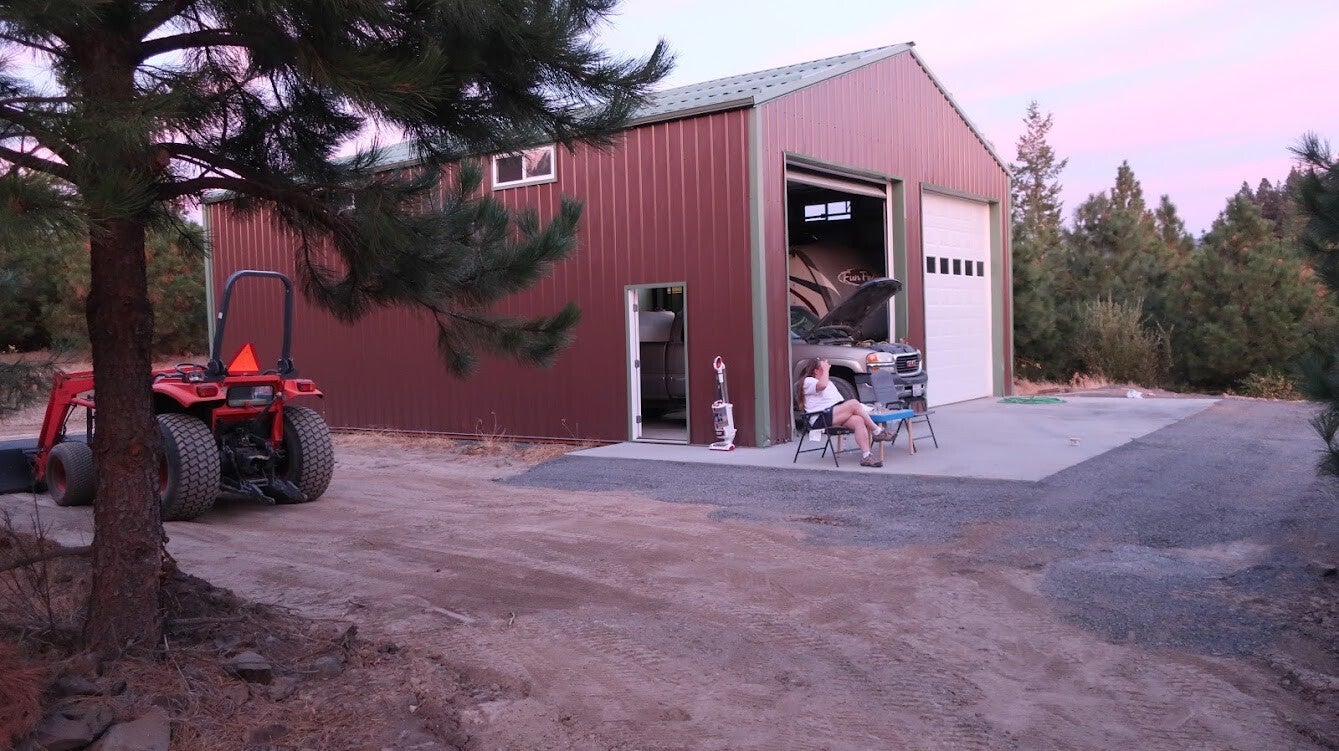
30 ft by 40 ft steel barn with 12 ft roll-up doors
Installing 12 ft tall roll-up doors on a barn or shop provides several functional advantages:
-
High-Clearance Vehicle Access: Easily accommodates full-sized pickup trucks, RVs, travel trailers, boats, lift-equipped vehicles, and tall machinery without worrying about roof rack or antenna clearance.
-
Agricultural & Heavy Equipment Storage: Accommodates medium to large tractors, hay balers, skid steers, and attachments that exceed standard 8- to 10-foot door heights.
-
Vertical Space Utilization: Maximizes the vertical opening of tall buildings (such as 14 ft to 16 ft sidewall structures), allowing full use of internal clearance for stacked loading or tall equipment.
-
Commercial & Delivery Access: Fits standard commercial box trucks, cargo vans, and delivery vehicles for seamless loading and unloading.

12 ft concrete apron the width of the barn
Installing a concrete apron at the entrance of a barn provides several practical, structural, and maintenance benefits:
-
Erosion and Mud Control: High-traffic entry points quickly wear down into mud, dirt, or gravel ruts. A concrete apron creates a clean, solid transition between the driveway and the barn interior, keeping mud and standing water out.
-
Structural Protection: Concrete prevents heavy machinery, tractors, and livestock from rutting the ground right at the barn door threshold. It helps prevent soil movement that can undermine the building’s foundation or floor edge.
-
Smoother Equipment Entry: A flat, stable apron allows smooth transition for wheeled vehicles, trailers, lawnmowers, and hand carts, reducing wear and tear on tires and suspension.
-
Easier Cleaning and Maintenance: Sweeping, hosing down, or clearing snow from the barn entryway becomes vastly easier on concrete compared to gravel, dirt, or grass.
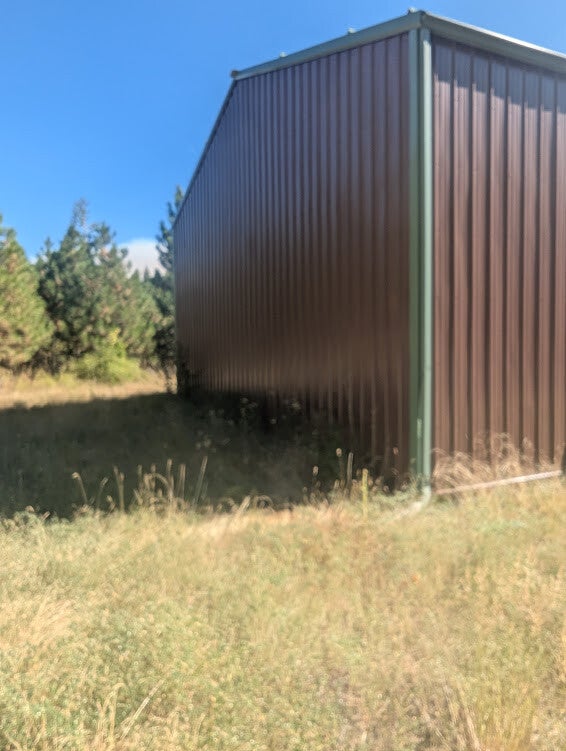
Rain gutters and downspouts installed for rainwater collection
-
Water Conservation & Lower Utility Bills: Capturing rainwater reduces reliance on municipal water supplies or ground wells, lowering water utility costs for irrigation, outdoor cleaning, and secondary non-potable household uses.
-
Property & Erosion Protection: Directing runoff away from foundations into storage systems prevents localized soil erosion, mud accumulation, and structural damage around buildings during heavy rainfall.
-
Better Plant and Crop Health: Rainwater is free of municipal chemicals like chlorine and fluoride, as well as minerals found in hard well water, making it optimal for garden plants, crops, and landscaping.
-
Stormwater Management: Retaining rainwater on-site reduces the volume of stormwater entering drainage systems, helping to minimize local flash flooding, surface runoff pollution, and sewer overflows.
-
Self-Sufficiency and Backup Supply: Stored rainwater serves as an independent, reliable backup water source during drought conditions, summer watering restrictions, or utility outages.
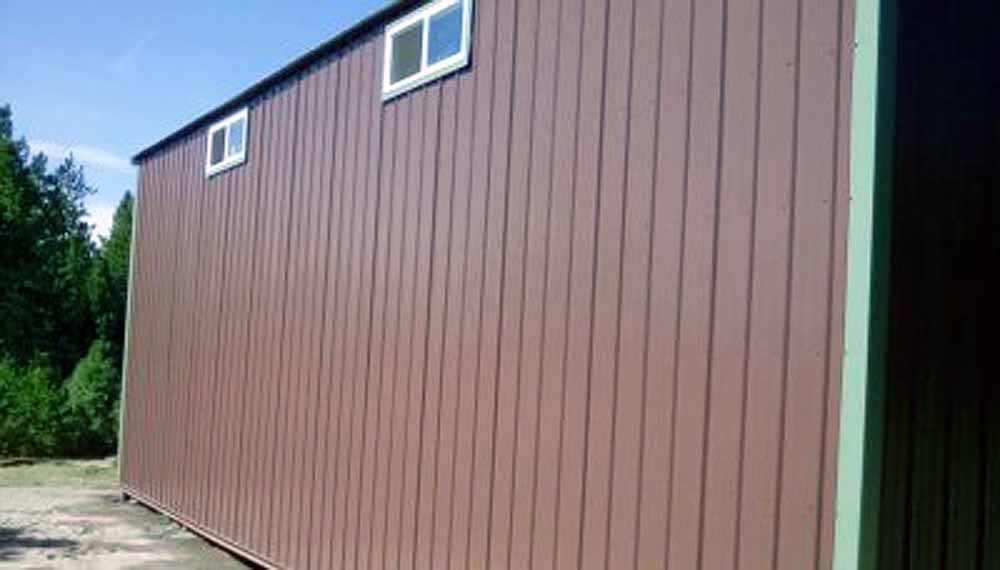
South side of the barn. Windows are too high for people to enter
-
Natural Light Without Sacrificing Privacy: Placed above eye level, high windows bring ambient daylight deep into a space while maintaining full privacy from outside view.
-
Security & Intrusion Prevention: Being positioned out of easy reach makes entry or unauthorized access significantly more difficult.
-
Maximized Wall and Floor Space: By keeping window openings high, lower wall space remains completely clear for tall storage, shelving, equipment, or furniture placement.
-
Passive Ventilation: High operable windows allow hot air—which naturally rises—to escape efficiently, improving air circulation and natural cooling.
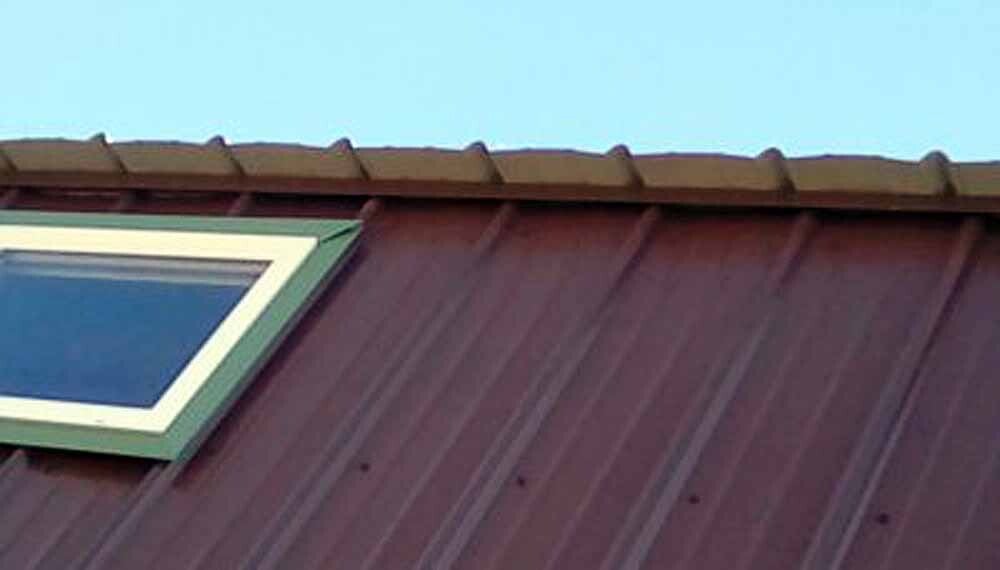
Installed later, the barn's roof has snow stops and gutters for rainwater collection
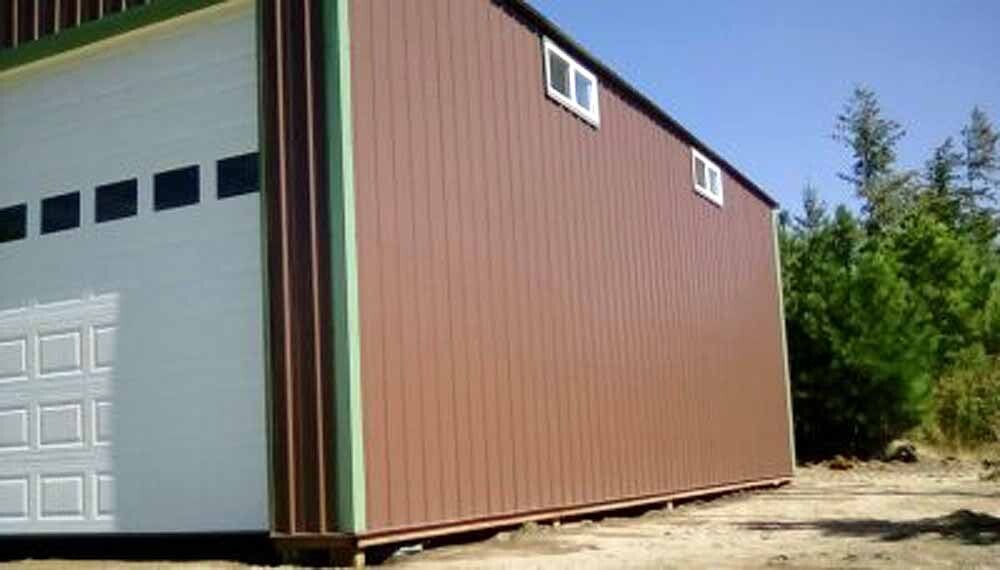
East side of the barn prior to concrete placement
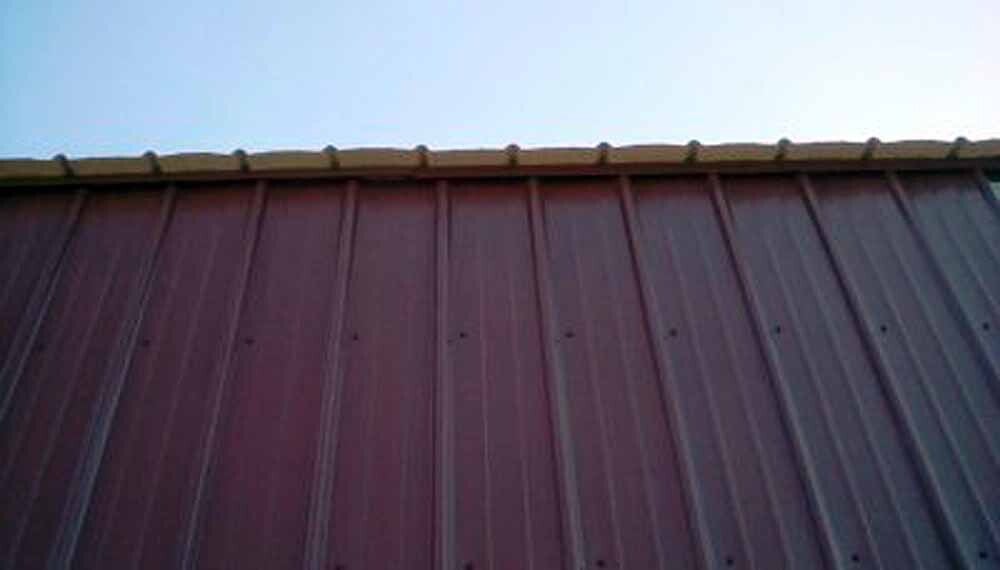
Roof and wall prior to rainwater collection gutters and downspouts

Absolute quiet, a lawn chair, a good book and complete relaxation